
This course enables students to consolidate and continue to develop an understanding of mathematical concepts related to number sense and operations, algebra, measurement, geometry, data, probability, and financial literacy. Students will use mathematical processes, mathematical modelling, and coding to make sense of the mathematics they are learning and to apply their understanding to culturally responsive and relevant real-world situations. Students will continue to enhance their mathematical reasoning skills, including proportional reasoning, spatial reasoning, and algebraic reasoning, as they solve problems and communicate their thinking.
- Teacher: Ziyyad Ali
- Teacher: Alice Wei
This course enables students to continue to develop and consolidate the foundational knowledge and skills that they need for reading, writing, and oral and visual communication. Throughout the course, students will continue to enhance their media literacy and critical literacy skills and to develop and apply transferable skills, including digital literacy. Students will also make connections to their lived experiences and to society and increase their understanding of the importance of language and literacy across the curriculum.
- Teacher: Prana Narasingam
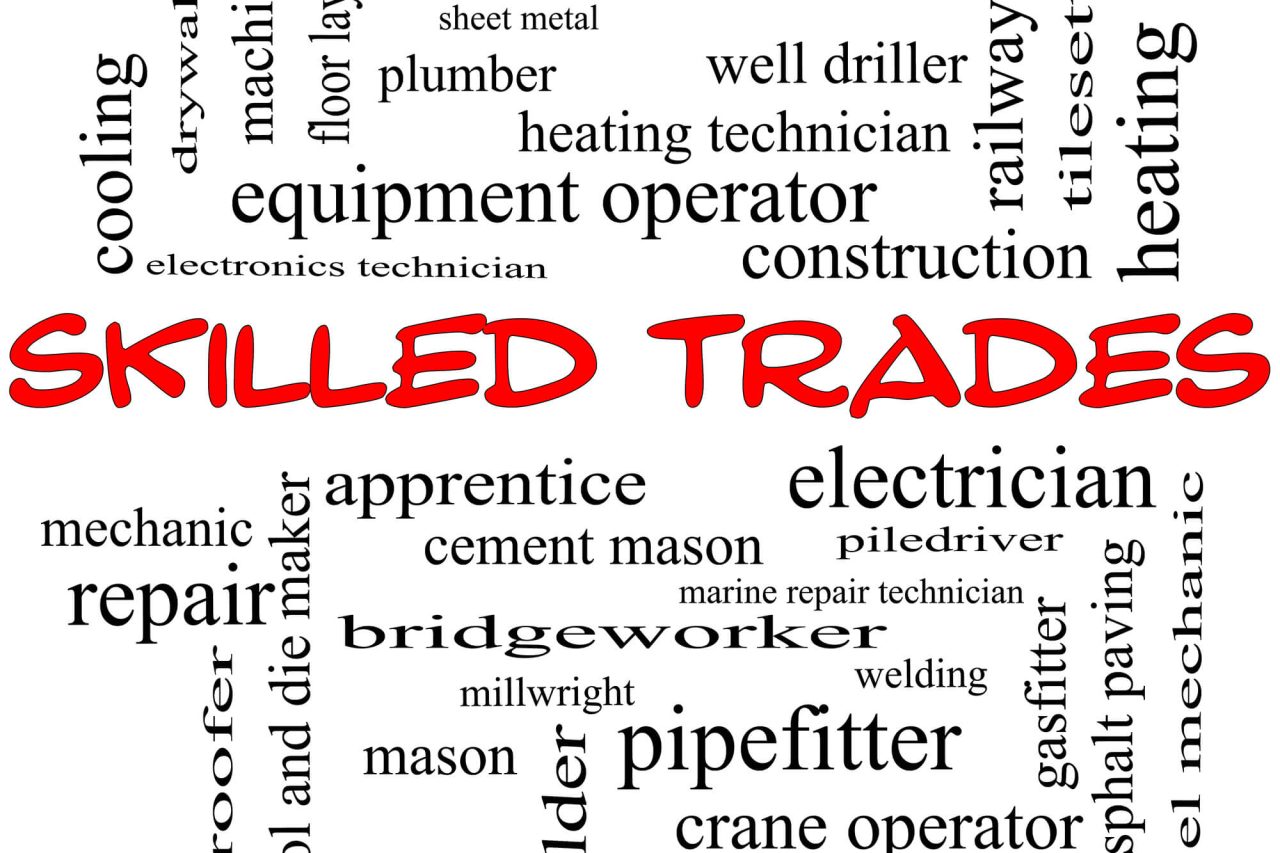
This hands-on course replaces Exploring Technologies (TIJ1O) and begins in the 2024–25 school year. It introduces students to engineering design, tools, and technologies across industries, while building essential skills like problem solving, communication, and project management. All students must earn a Grade 9 or 10 Technological Education credit to graduate with an Ontario Secondary School Diploma. TAS1O can be offered as a standalone or broad-based technology (BBT) course.
Key Learning Areas: 1. Design processes and related skills. 2. Technological development, impacts, and careers 3. Safety procedures and hands-on project work
- Teacher: Alice Wei
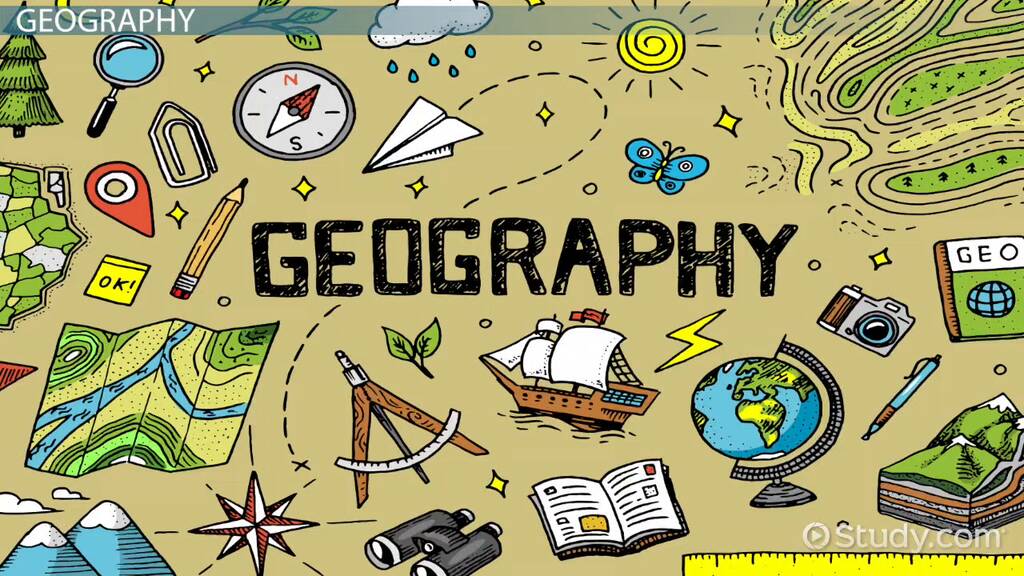
This course builds on learning in Grades 7 and 8 in geography. Students will explore relationships within and between Canada’s natural and human systems and how they interconnect with other parts of the world. Students will also examine environmental and economic issues, and their impact related to topics such as natural resources and industries, careers, land use and responsible development, and sustainability. In addition, students will understand the connections that diverse communities and individuals have with the physical environment and each other throughout Canada, including First Nations, Métis, and Inuit perspectives. Students will apply geographic thinking, use the geographic inquiry process, and use geospatial technologies throughout their investigations.
- Teacher: Mark Murphy
- Teacher: Alice Wei
This course provides opportunities for students to communicate and interact in French with increasing independence, with a focus on familiar topics related to their daily lives. Students will develop their skills in listening, speaking, reading, and writing by using language learning strategies introduced in the elementary Core French program, and will apply creative and critical thinking skills in various ways. They will also enhance their understanding and appreciation of diverse French-speaking communities, and will develop skills necessary for lifelong language learning.
- Teacher: Candide Kabongo
This course enables students to develop their understanding of basic concepts in biology, chemistry, earth and space science, and physics, and to relate science to technology, society, and the environment. Throughout the course, students will develop their skills in the processes of scientific investigation. Students will acquire an understanding of scientific theories and conduct investigations related to sustainable ecosystems; atomic and molecular structures and the properties of elements and compounds; the study of the universe and its properties and components; and the principles of electricity.